Amusement Park Watercolor: An Embroidery Review
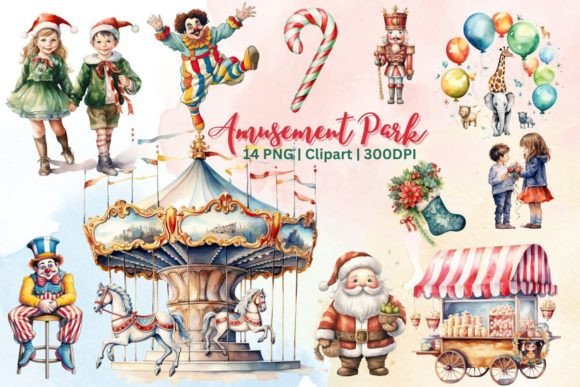
When evaluating a new machine embroidery design for commercial or personal use, my first question is always about translation. How does this digital artwork actually behave when needle meets fabric? The Amusement Park Watercolor design sits in the Illustrations category, promising a nostalgic, painterly aesthetic that is currently trending across Etsy shops and boutique markets. As a designer who regularly tests files before committing them to client projects, I approached this piece with a critical eye toward stitch integrity, color blending, and real-world application.
My immediate impression of Amusement Park Watercolor is its softness. Unlike rigid vector art, this design relies on the interplay of thread colors to mimic brushstrokes. It evokes a sense of whimsy and vintage charm, making it an excellent candidate for specific niches like nursery decor, summer apparel, and personalized gifts. However, achieving that watercolor effect in embroidery requires careful planning regarding stabilizer choice and fabric texture. This review breaks down how this design performs in actual production scenarios, where it shines, and where you need to exercise caution to maintain professional quality.
Real-World Application: The Custom Tote Bag Test
To truly judge the viability of Amusement Park Watercolor, I simulated a project for a small shop product line: a custom embroidered tote bag intended for summer retail. Tote bags are a staple for craft business owners because they offer a large canvas for detailed illustrations, but the unstructured nature of canvas fabric can be unforgiving.
In this scenario, the design’s layout worked beautifully as a centerpiece. The organic edges typical of watercolor-style digitizing allowed the image to blend naturally into the fabric rather than sitting on top like a heavy patch. For a handmade product, this integration is key to perceived value. Customers are increasingly savvy; they can distinguish between a stiff, bulletproof vest of stitches and a thoughtful, artistic rendering. When stitching this out on natural cotton canvas, the design maintained its illustrative feel without excessive puckering, provided the correct tension was used.
However, I noted that the color transitions require precise thread matching. If your machine embroidery design relies heavily on shading, you must verify your thread colors against the chart before starting. A slight deviation in hue can turn a subtle watercolor gradient into distinct, blocky bands. For my tote bag test, using a matte rayon thread enhanced the painted look far better than high-sheen polyester, which can sometimes make illustrative designs appear too synthetic.
Ideal Projects and Commercial Viability
Based on the visual weight and stylistic mood of Amusement Park Watercolor, this file is best suited for projects where detail and aesthetics take precedence over extreme durability. It is a strong contender for:
- Sweatshirt Embroidery: Placed on the chest or back, this design adds a trendy, artistic flair to crewnecks. The soft style pairs well with the casual texture of fleece.
- Baby Embroidery: The whimsical theme is perfect for onesies, bibs, and nursery pillows. Just ensure the stitch density is light enough to remain comfortable against sensitive skin.
- Holiday Embroidery: While not strictly seasonal, the amusement park theme works exceptionally well for Fourth of July or summer vacation merchandise.
- Digital Product Previews: For Etsy sellers offering printable mockups or digital assets, this illustration style photographs beautifully, creating engaging listing images that drive clicks.
For creative entrepreneurs, this design offers versatility. It functions equally well as a standalone centerpiece on a pillow cover or as part of a larger collection of summer-themed patches. The "hand-painted" vibe aligns perfectly with current consumer preferences for items that feel unique and artisanal rather than mass-produced.
Critical Considerations: Where to Exercise Caution
No embroidery file is universal, and Amusement Park Watercolor has limitations that makers must respect to avoid wasted materials and frustrated customers. Understanding these constraints is what separates hobbyists from professionals.
Fabric Texture and Stability
This design likely utilizes complex fill stitches to create shading. On highly textured fabrics like terry cloth or thick linen, those delicate details can get lost in the weave. Similarly, stretchy knits pose a risk. Without adequate stabilizer, the weight of the watercolor fills can distort the garment. I recommend testing on scrap fabric first, especially if you are working with lightweight jersey or performance blends. A cut-away stabilizer is often necessary to support the design structure without adding bulk.
Size Reduction and Detail Loss
Watercolor effects rely on stitch length and direction changes. If you resize this machine embroidery design significantly smaller than its original dimensions, you risk losing the illusion of paint. Satin stitch columns may become too narrow, and running stitch details might disappear entirely. Always check the minimum recommended hoop size. If you need a tiny version for a cap or sleeve cuff, look for a specifically digitized mini variant rather than shrinking the full-size illustration.
Dark Fabrics and Contrast
Watercolor aesthetics typically assume a light background. Stitching Amusement Park Watercolor on black or navy fabric requires a different strategy. You may need to add a white underlay base to allow the pastel or bright thread colors to pop. Without this foundation, the threads will sink into the dark fabric, muddying the colors and destroying the watercolor effect. Always test light and dark fabric backgrounds before adding a new colorway to your shop inventory.
Designer Notes for Professional Results
To maximize the potential of this embroidery project, keep these practical tips in mind during your production workflow:
- Verify Licensing: Before selling finished products or using the design in commercial embroidery, confirm the license terms. Ensure you have the right to sell physical goods made with this digital embroidery file.
- Mockup Testing: Use printable mockup templates to visualize placement before hooping fabric. This saves time and helps you determine if the scale feels right for the intended garment.
- Thread Color Audit: Do not assume your machine’s auto-color match will suffice. Manually review the color sequence to ensure gradients flow smoothly. Sometimes swapping two adjacent shades can dramatically improve depth.
- Stabilizer Strategy: Match your stabilizer to the end-use. Use tear-away for stable woven fabrics like denim or canvas, and cut-away for knits or items requiring frequent washing.
- Wash Testing: If this is for baby clothes or kitchen towels, wash a test sample. Watercolor fills can sometimes pull at the fabric after laundering if the density is too high or the stabilization was insufficient.
Elevating Your Handmade Brand
Ultimately, Amusement Park Watercolor is more than just a pretty picture; it is a tool for building brand identity. In a saturated market, the difference between a generic item and a bestseller often lies in the cohesion of the design and the substrate. When this illustration is executed correctly, it signals to buyers that you understand both art and technique.
The softness of the design invites emotional connection, which is crucial for personalized gifts and boutique branding. Whether you are creating a custom apparel line for a local carnival or stocking your Etsy shop with unique nursery decor, this design brings a level of sophistication that simple clipart cannot achieve. By respecting the technical requirements of the embroidery file and choosing applications that highlight its strengths, you transform a digital asset into a tangible product that customers are proud to own and display.
Remember, every embroidery machine and fabric combination behaves differently. Treat Amusement Park Watercolor as a starting point for your creativity, but let your own testing and expertise guide the final execution. The result will be a finished product that honors both the original artistry and your craftsmanship as a maker.