Watercolor Cute Mermaids Clipart: An Embroidery Review
As a professional embroidery designer and product reviewer, I approach every new asset with a critical eye toward production viability. When evaluating Watercolor Cute Mermaids Clipart, my primary concern is not just the aesthetic appeal of the digital illustration, but how those soft, blended watercolor edges will translate into physical thread on fabric. For Etsy sellers, apparel decorators, and makers creating personalized gifts, the gap between a beautiful screen image and a successful embroidered patch or sweatshirt design is where businesses succeed or fail. This review breaks down the practical realities of adapting these specific illustrations for real-world machine embroidery projects.
Translating Soft Aesthetics to Stitch Logic
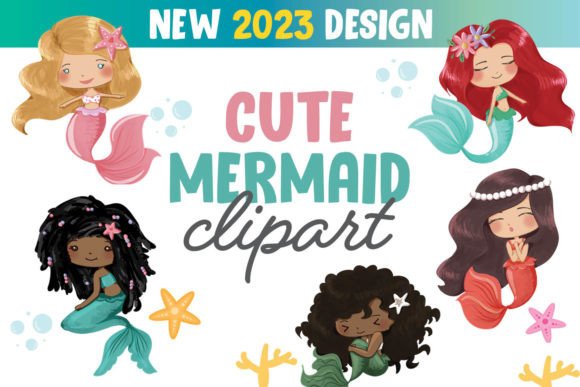
The immediate visual impact of Watercolor Cute Mermaids Clipart is undeniably charming. The mood is whimsical, gentle, and perfectly aligned with current trends in nursery decor, baby embroidery, and boutique children’s apparel. However, watercolor presents unique challenges for digitizers. Unlike vector art with hard lines, watercolor relies on gradients and transparency. In an embroidery file, we cannot stitch transparency. Therefore, when using this clipart as a base for a machine embroidery design, you must decide whether to use it as a direct print-and-stitch applique design or as a reference for recreating the effect using complex fill stitches.
If you are digitizing from scratch based on these illustrations, expect to utilize a high stitch density to mimic the saturation of watercolor paint. Satin stitch borders may be necessary to define shapes that lack hard outlines in the original art. For those purchasing pre-digitized versions of this clipart, inspect the sample photos closely. Look for how the digitizer handled the color blending. Successful adaptations often use thread blending techniques or textured fill stitches to replicate the organic feel of the artwork without creating a bulletproof, overly dense patch that distorts lightweight fabrics.
Real-World Application: The Custom Sweatshirt Test
To truly evaluate the commercial potential of Watercolor Cute Mermaids Clipart, I mentally placed it in a specific production scenario: creating a custom embroidered sweatshirt for a small shop product line targeting the "mom life" and beachy aesthetic demographic. Sweatshirt embroidery requires careful consideration of fabric texture and stabilizer choice because fleece and French terry can swallow fine details.
In this context, the cute mermaid theme performs exceptionally well as a center chest design or a smaller left-chest logo placement. The softness of the illustration complements the cozy nature of the garment. However, because sweatshirts have a textured surface, tiny details in the mermaid’s face or tail scales might get lost. As a designer, I would recommend scaling the design up slightly to ensure stitch clarity. If the clipart includes intricate jewelry or hair strands, verify that these elements are thick enough to register as running stitches or satin columns above 1mm. Otherwise, they should be simplified during the digitizing process to prevent needle breaks and ensure the finished product looks professional rather than messy.
Navigating Fabric Limitations and Hoop Constraints
Versatility is key for any craft business or commercial embroidery operation. While Watercolor Cute Mermaids Clipart shines on stable cottons and fleece, it demands caution on other substrates. Here is how I assess its performance across different materials:
- Stretchy Fabrics: On ribbed knits or spandex blends common in baby clothes, the density required to render watercolor effects can cause puckering. Always use a cut-away stabilizer and consider a lighter density fill stitch variation to maintain fabric drape.
- Dark Fabrics: Watercolor art typically assumes a white background. If stitching on navy or black tote bags, you must account for underlay or a white base layer. Without this, the pastel thread colors characteristic of cute mermaid themes will look muddy and lack contrast.
- Curved Surfaces: For cap embroidery, the horizontal span of a mermaid tail can be problematic. The design may need to be arched or resized to fit the limited vertical space of a hat front without distorting the proportions of the illustration.
- Sheer or Lightweight Fabrics: Organza or voile requires a specialized approach. Standard watercolor-style density will tear these fabrics. Use a water-soluble stabilizer and reduce stitch count significantly, perhaps opting for a sketch-style interpretation rather than full coverage.
Commercial Viability for Makers and Sellers
For Etsy sellers and handmade shop owners, visual appeal drives clicks, but quality drives reviews. Watercolor Cute Mermaids Clipart offers strong "giftability." It naturally fits niches like birthday shirts, beach vacation gear, and personalized baby blankets. The emotional connection customers have with this aesthetic allows for higher price points compared to generic text-based designs.
However, brand consistency matters. If your shop specializes in bold, high-contrast streetwear, this soft clipart may feel out of place. Conversely, if you sell printable mockups or digital design assets alongside physical goods, this collection serves as excellent cohesive branding. Just ensure that your digital previews accurately represent what the embroidery machine can actually produce. Misleading customers by showing the raw digital illustration instead of a stitched-out sample or a realistic digital embroidery file simulation leads to returns and trust issues. Always clarify whether the listing is for the digital file, the physical embroidered patch, or the finished custom apparel.
Essential Designer Notes Before You Stitch
Before committing Watercolor Cute Mermaids Clipart to a bulk order or a client commission, run through this practical checklist to protect your time and materials:
- Test on Scrap Fabric First: Never assume a digital file is perfect. Stitch a test run on the exact fabric and stabilizer combination you plan to use for the final project. Check for registration errors where colors meet.
- Verify Licensing Terms: Confirm whether your purchase allows for commercial embroidery. Some licenses permit selling finished products but prohibit selling the digital embroidery file itself or using the art in printable mockups for POD services.
- Check Thread Color Contrast: View the design in black and white mode in your software. If the values are too similar, the mermaid will look flat when stitched. Adjust thread colors to ensure distinct separation between hair, skin, and tail.
- Inspect Small Details: Zoom in to 100% view. Are the eyes merely dots? At small hoop sizes, these may become thread blobs. Edit them to open spaces or simple satin stitches if necessary.
- Evaluate Washability: If making tea towels or baby items that require frequent laundering, ensure the stitch density is balanced. Overly dense watercolor fills can become stiff and abrasive after washing. A softer touch is better for functional items.
- Confirm Hoop Size Compatibility: Measure the actual dimensions of the clipart against your machine’s maximum sewing field. Resizing watercolor-style designs too much can distort the aspect ratio of the artistic brushstrokes.
Final Thoughts on Production Value
Watercolor Cute Mermaids Clipart holds significant promise for creative entrepreneurs willing to bridge the gap between digital art and textile manufacturing. Its strength lies in its ability to evoke emotion and fit seamlessly into popular gifting categories. By treating the illustration as a starting point for technical refinement rather than a plug-and-play solution, you elevate the perceived value of your work. Whether you are creating a holiday embroidery collection, stocking your shop with unique tote bag designs, or fulfilling custom apparel orders, success comes from respecting the limitations of thread while celebrating the beauty of the original art. Always prioritize the tactile reality of the finished product over the pixel-perfect perfection of the screen.