Watercolor Peacocks Clipart for Embroidery
First Impressions: Translating Paint to Thread
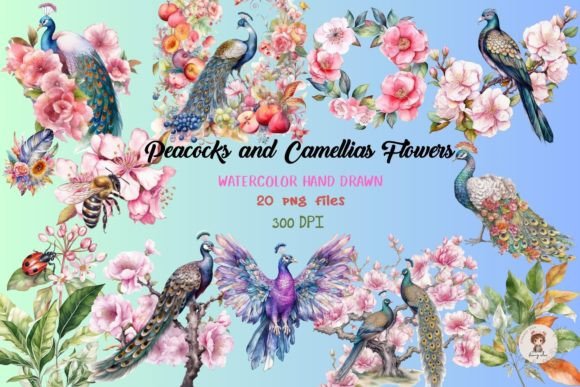
When I first opened the Watercolor Peacocks Clipart Sublimation files, my immediate thought was not about how pretty they looked on screen, but how that fluidity would translate into a machine embroidery design. As an experienced digitizer and product reviewer, I have learned to look past the digital rendering and visualize the physical stitch. These illustrations possess a distinct softness and organic flow that is characteristic of watercolor art, but in the world of embroidery, softness requires technical precision. The mood is undeniably elegant and whimsical, suggesting projects that lean toward boutique apparel, nursery decor, or high-end personalized gifts rather than utilitarian workwear.
The visual personality of these peacocks is vibrant yet delicate. For a crafter or Etsy seller, this aesthetic signals a specific target audience: customers looking for romantic, artistic, or nature-inspired goods. However, because this is originally designed as sublimation clipart, we must approach it with caution when converting it for needle and thread. Watercolor edges are often blurred or semi-transparent, which does not exist in embroidery. A direct auto-digitize will likely result in messy jump stitches and undefined borders. To make this embroidery project successful, one must treat the source art as a guide for creating clean satin stitch borders or applique designs that mimic the painted edge without losing the structural integrity required for stitching.
Real-World Application: The Custom Tote Bag Test
To truly evaluate the viability of Watercolor Peacocks Clipart Sublimation, I mentally placed it onto a canvas tote bag, a staple for any craft business or handmade shop. Imagine preparing a custom order for a bride wanting boho-chic bachelorette bags. The peacock motif fits the theme perfectly, but the execution matters more than the concept. On a natural canvas texture, the watercolor gradients would need to be interpreted through thread color blending or fabric paint combined with embroidery.
If I were stitching this out, I would avoid attempting to replicate every brushstroke with fill stitch. Instead, I would use the clipart as a placement guide for an applique design. Using a tone-on-tone cotton fabric for the peacock body and feathers allows the material to provide the "watercolor" variation, while the embroidery secures the shape. This approach reduces stitch density significantly, keeping the tote bag lightweight and flexible. For the intricate feather details, a combination of running stitch and sparse satin stitch accents would capture the artistic vibe without creating a bulletproof patch that distorts the bag’s drape. This method ensures the finished product feels like a premium handmade product rather than a stiff, mass-produced item.
Navigating Fabric Limitations and Hoop Constraints
While the aesthetic is versatile, the practical application of these illustrations demands careful fabric selection. Watercolor styles rely on negative space and light backgrounds to shine. I would strongly advise against using these designs on dark fabrics unless you plan to add a white underlay or background element, as the translucent nature of watercolor gets lost against black or navy. Furthermore, stretchy fabrics like jersey knits present a challenge. The organic, flowing lines of the peacock can easily warp if the stabilizer is insufficient. For sweatshirt embroidery or baby clothes, you must use a heavy-weight cutaway stabilizer to maintain the design's aspect ratio.
Hoop size is another critical factor. Peacocks are naturally vertical and detailed creatures. Trying to shrink this digital embroidery file down to a 4x4 hoop size for a cap or pocket is risky. The tiny details in the crest and feather eyes will turn into thread nests at small scales. These illustrations perform best in medium to large hoops where the stitch length can remain adequate to show off the sheen of the rayon or polyester threads. If you are making caps, consider isolating just the head or a single feather plume rather than forcing the full bird onto a curved surface. Respecting the minimum size requirements preserves the professionalism of your commercial embroidery output.
Elevating Product Value and Customer Trust
Using high-quality artistic assets like Watercolor Peacocks Clipart Sublimation can significantly boost the perceived value of your inventory. In a saturated market, buyers are drawn to unique visuals that stand out from generic stock vectors. When a customer sees a beautifully rendered, artistic peacock on a pillow cover or tea towel, they associate that level of detail with overall quality. However, this only holds true if the stitching matches the art. Sloppy registration or poor thread tension on such a detailed image will hurt buyer engagement faster than a simple design would.
For Etsy sellers and small shop owners, consistency is key. If you use these illustrations across multiple products—matching nursery blankets, mom-and-me aprons, and holiday ornaments—you build brand recognition. The watercolor style acts as a unifying visual language. Just ensure that your printable mockups accurately represent what the embroidery will actually look like. Misleading customers with a digital print preview when the actual product is stitched can lead to returns. Transparency builds trust; showing close-up photos of the actual stitch texture alongside the digital art helps manage expectations and highlights the tactile beauty of the finished piece.
Designer Notes: Technical Checks Before Stitching
Before you commit these beautiful illustrations to fabric, run through this practical checklist to ensure professional results:
- Test on Scrap Fabric First: Never stitch a new conversion directly on a client’s garment. Watercolor conversions can be unpredictable; test the stitch density and edge definition on a similar fabric weight.
- Verify Licensing: Confirm whether the Watercolor Peacocks Clipart Sublimation license covers commercial embroidery use. Some licenses allow for digital sublimation sales but restrict physical embroidered merchandise or require attribution.
- Check Thread Color Contrast: Watercolor relies on subtle shifts. Ensure your thread palette has enough variation to suggest depth, or simplify the design to fewer colors if your machine has limitations.
- Inspect Small Details: Zoom in on the embroidery file. Any detail smaller than 1mm may need to be removed or enlarged to prevent needle breaks and thread bunching.
- Stabilizer Selection: Match the stabilizer to the end-use. Use tear-away for sturdy tote bags, but always opt for cutaway for apparel and baby items to prevent distortion after washing.
- Mockup Reality Check: Create a black and white version of your stitch file to check contrast values independent of color. This reveals if the design reads clearly based on texture alone.
Ultimately, Watercolor Peacocks Clipart Sublimation offers a fantastic foundation for creative entrepreneurs willing to bridge the gap between digital art and textile craft. By respecting the technical constraints of embroidery and adapting the artwork rather than forcing it, you can create stunning, sellable products that honor both the original illustration and the integrity of machine embroidery.