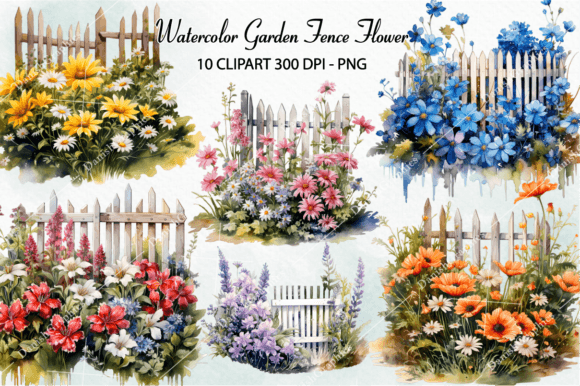
Watercolor Garden Fence Flower Clipart Illustrations
First Impressions: Evaluating Emotional Tone for Lifestyle Brands
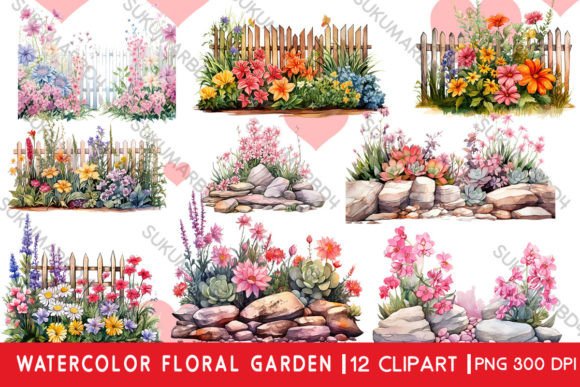
As a brand designer reviewing assets for an upcoming spring campaign, my first interaction with the Watercolor Garden Fence Flower Clipart set immediately signaled a specific emotional frequency. In the crowded space of digital product marketplaces, finding illustrations that balance artistic charm with commercial utility is rare. This graphic design asset evokes a sense of curated nostalgia and organic warmth. The watercolor texture suggests hand-painted authenticity, while the fence element introduces a subtle narrative of home, boundary, and cultivation. For small business branding or lifestyle content marketing, this combination is potent.
The mood created here is distinctly approachable yet refined. It avoids the chaotic messiness often associated with amateur clipart, leaning instead into a professional aesthetic suitable for premium handmade products, boutique skincare lines, or wellness coaches. When I assess creative design elements for client work, I look for versatility. This asset feels appropriate for both casual social media engagement and more structured editorial design. It communicates trust and gentleness, making it an excellent candidate for brands targeting audiences who value mindfulness, sustainability, and artisanal quality. However, its soft edges and intricate details mean it demands intentional placement to maintain visual clarity across various marketing visuals.
Deploying Botanical Assets in a Spring Product Launch Campaign
To truly test the efficacy of these illustrations, I integrated them into a mock workflow for a fictional organic tea company launching a new seasonal blend. The goal was to create a cohesive visual identity across packaging design, email banners, and Instagram posts without overwhelming the product photography. The Watercolor Garden Fence Flower Clipart served as a secondary visual anchor rather than the primary hero image. By using the fence motif as a grounding element at the bottom of Pinterest pins and website headers, we established a consistent visual hierarchy that guided the eye toward the headline and call-to-action.
In this real-world application, the asset performed exceptionally well in creating branded templates for Canva. We extracted individual floral elements to use as corner accents on product labels and thank-you cards included in shipping boxes. This modular approach maximized the value of the design bundle. For digital ads, the soft color palette provided necessary contrast against bold sans-serif typography, ensuring readability while maintaining a feminine, organic vibe. The key takeaway for content creators and online coaches is that this clipart works best when treated as a supporting actor in your brand story. It enhances the narrative of growth and care without stealing focus from your core offer or value proposition.
Strategic Applications Across Digital and Print Touchpoints
Versatility is the hallmark of any successful commercial design asset. Based on my review, the Watercolor Garden Fence Flower Clipart excels in several specific areas:
- Social Media Graphics: Ideal for Instagram carousels and stories where storytelling requires soft transitions between slides. The organic shapes break up rigid grid layouts effectively.
- Packaging Design and Product Labels: Perfect for wrapping around jars, boxes, or bags. The transparency in PNG designs allows for seamless integration onto colored backgrounds or kraft paper textures.
- Editorial Design and Blog Headers: Adds visual interest to long-form content marketing pieces about gardening, self-care, or seasonal living without distracting from body text.
- Printable Design and Stationery: High-resolution details make this suitable for wedding invitations, greeting cards, and planner stickers where print quality is paramount.
- Email Marketing Banners: Creates a welcoming atmosphere in newsletters, increasing open rates through aesthetically pleasing preview thumbnails.
For digital sellers and creative entrepreneurs, these applications demonstrate how a single illustration set can stretch across multiple revenue streams and marketing channels. The asset supports stronger audience trust by signaling that the brand invests in high-quality, thoughtful visuals rather than generic stock imagery.
Optimizing Visual Hierarchy and Avoiding Common Pitfalls
While the Watercolor Garden Fence Flower Clipart is visually stunning, it requires careful handling to avoid common design mistakes. As a marketer focused on conversion, I must emphasize where this asset should be used with caution. It is generally unsuitable for formal corporate branding or tech-heavy industries where clean lines and geometric precision communicate authority. Similarly, in dense information layouts or text-heavy Facebook ads, the intricate brushstrokes can compete with copy, reducing legibility and ad performance.
Visual hierarchy is critical. Never place detailed text directly over the busiest parts of the flower clusters. Instead, utilize the negative space around the fence slats or the lighter washes of color for headlines. On mobile screens, complex watercolor details can sometimes blur or appear muddy if scaled down too aggressively. Always preview your social media graphics and web design elements on actual devices before publishing. Furthermore, if your brand relies on a strictly minimalist aesthetic, this asset may feel too ornate. It pairs best with modern design styles that embrace texture and warmth. For low-contrast backgrounds, ensure you adjust opacity or add a subtle drop shadow to maintain separation between the illustration and the canvas.
Brand Designer Notes: Technical Checks and Licensing Compliance
Before incorporating this graphic design asset into paid campaigns or client deliverables, run through this practical checklist to ensure professional results:
- Palette Integration: Test the clipart against your existing brand colors. Watercolors are translucent; they may shift hue depending on the background. Use blending modes like Multiply or Overlay in Photoshop or Canva to harmonize tones.
- Typography Pairing: This asset pairs beautifully with elegant serif fonts for a classic look or handwritten scripts for a personal touch. Avoid overly geometric display fonts that might clash with the organic flow of the brushwork.
- Monochrome Testing: Check how the illustration reads in black and white. If you plan to use it for embossing on packaging or single-color printing, ensure the contrast remains sufficient without color reliance.
- Licensing Verification: Always confirm the commercial license terms. Whether you are selling physical products featuring the art or using it in digital templates for resale, understanding usage rights protects your business from legal issues.
- Competitor Analysis: Search the creative marketplace to see if competitors are using similar assets. If so, customize your layout significantly to maintain distinct brand identity and recognition.
- File Format Utility: Verify if the download includes SVG design files for infinite scalability or only PNG designs. Vector formats are superior for large-scale printing like posters or event signage.
Ultimately, the Watercolor Garden Fence Flower Clipart represents a strong investment for creative professionals seeking to elevate their visual content. It bridges the gap between artistic expression and strategic marketing, offering a tangible way to connect emotionally with audiences. By respecting its stylistic boundaries and applying it with intentionality, brand owners and marketers can leverage these illustrations to build memorable, trustworthy, and aesthetically cohesive campaigns that resonate deeply with their target demographic. Remember that effective professional branding is not just about pretty pictures; it is about selecting design assets that actively support your business goals and communicate your unique value proposition with clarity and heart.