Watercolor Baby Penguin Animals Clipart Illustrations
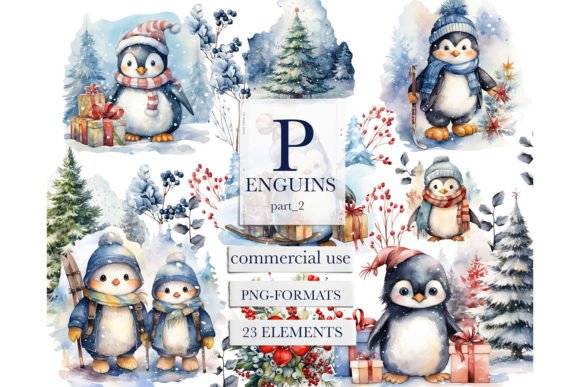
As a digital publisher and blog designer, my first interaction with any new graphic design asset is always a test of emotional resonance. When I opened the files for the Watercolor Baby Penguin Animals Clipart, the immediate impression was one of soft, approachable warmth. This is not merely a collection of cute animals; it is a cohesive set of Illustrations that communicates gentleness, curiosity, and organic texture. In the context of editorial design, this specific aesthetic bridges the gap between playful nursery content and sophisticated lifestyle branding. The watercolor medium adds a layer of artistic authenticity that vector art often lacks, making it feel handcrafted rather than manufactured. For publishers in the parenting, education, or seasonal niches, this asset establishes an instant mood of comfort and trust before a single word of copy is read.
Elevating Editorial Content and Blog Graphics
In a real publishing workflow, the challenge is often maintaining visual consistency across diverse content types while keeping the site feeling fresh. I tested these penguin illustrations within a mock winter-themed content strategy, and their versatility became immediately apparent. As blog graphics, they serve as excellent focal points without competing with headline text. The soft edges of the watercolor style allow for seamless integration into website headers and hero images, creating a welcoming entry point for readers. Unlike harsh, high-contrast clipart, these illustrations support a modern design philosophy where whitespace and negative space are respected.
For content marketing strategies relying on Pinterest, this asset is particularly valuable. A successful Pinterest pin requires immediate visual recognition and emotional hook. The baby penguins provide that hook naturally. When layered over pastel or muted backgrounds with clean sans-serif typography, they create pins that feel native to the platform’s aesthetic while standing out in crowded feeds. I found them especially effective for article thumbnails related to family activities, winter crafts, and early childhood education. They transform generic listicles into visually inviting resources, directly influencing click-through rates by signaling high-quality, curated content.
Strengthening Digital Products and Lead Magnets
Beyond standard web design, this clipart set proves its worth in the creation of monetizable assets. As a publisher developing a digital product, such as a printable activity book or an educational worksheet, professional illustration is non-negotiable. These penguins possess enough detail to look premium in print but remain lightweight enough for digital distribution. I utilized them to design a sample lead magnet cover for a newsletter signup, and the result looked significantly more polished than stock photo alternatives. The hand-painted texture suggests value and care, which is essential when asking users to exchange their email address for a free resource.
For creators building Canva template packs or selling digital downloads on creative marketplaces, this asset offers commercial viability. The isolated backgrounds make drag-and-drop functionality effortless for end-users. Whether designing eBook covers, media kits, or social media graphics for affiliate marketing campaigns, the consistent brushwork ensures that all materials share a unified brand identity. This cohesion is critical for small business branding; it tells your audience that every touchpoint, from a blog post to a paid guide, comes from the same trusted source.
Optimizing Visual Hierarchy and Reader Trust
Visual hierarchy is the silent navigator of user experience. When integrating Watercolor Baby Penguin Animals Clipart into editorial layouts, I observed how effectively they guide the eye. Used as section dividers or bullet point accents, they break up dense text blocks without causing cognitive overload. This is vital for retaining reader attention on long-form content. However, the true power lies in how they affect reader perception. In niches like parenting or education, trust is paramount. Sterile, corporate imagery can create distance, whereas these artistic illustrations foster connection. They signal that the content creator understands the nuances of the niche, thereby increasing dwell time and engagement.
- Hero Images: Perfect for setting a seasonal tone on homepage banners.
- Content Upgrades: Adds perceived value to checklists and cheat sheets.
- Newsletter Headers: Increases open rates through recognizable visual branding.
- Affiliate Content: Softens sales-heavy posts, making recommendations feel personal.
- Social Previews: Ensures Open Graph tags display attractive, clickable thumbnails.
Publisher Notes: Technical Performance and Licensing
While the aesthetic appeal is undeniable, a responsible digital publisher must also consider technical implementation. Before deploying Watercolor Baby Penguin Animals Clipart on a live site, rigorous testing is required. I recommend previewing the assets on both desktop and mobile screens. Watercolor textures can sometimes lose definition when scaled down to mobile thumbnails, so ensure the focal point remains clear at smaller sizes. Additionally, check contrast ratios against your background colors. Because watercolors often feature lighter tones, placing white text directly over them can fail accessibility standards. Always use a dark overlay or position text adjacent to the illustration to maintain readability.
Typography pairing is another crucial consideration. These illustrations harmonize beautifully with rounded sans-serifs, delicate scripts, and classic serifs. Avoid heavy, industrial display fonts, as they can clash with the organic nature of the brushwork. From a performance standpoint, always compress these images for web use. High-resolution PNGs are necessary for printables, but web versions should be optimized to prevent slow load times that hurt SEO. Finally, and most importantly, verify the commercial license. If you plan to use these on monetized blogs, affiliate pages, or within products for sale, confirm that the licensing terms cover your specific business model. Respecting intellectual property is foundational to professional publishing.
Where to Exercise Creative Caution
No design asset is universal. While Watercolor Baby Penguin Animals Clipart excels in lifestyle and educational contexts, it requires careful handling in other environments. Avoid using them in highly corporate, financial, or medical content where authority and precision take precedence over whimsy. In these sectors, such imagery might inadvertently undermine the seriousness of the subject matter. Similarly, be cautious in minimalist web designs that rely on stark grids and monochrome palettes; the organic irregularity of watercolor can disrupt a rigid visual system if not balanced correctly.
Furthermore, consider the density of your layout. In text-heavy articles, adding too many illustrative elements can create visual noise. Use these penguins as intentional accents rather than repetitive decoration. Test them in grayscale to ensure they retain their form and charm even without color, as this guarantees they will reproduce well in black-and-white printables or e-readers. By approaching this asset with both creative enthusiasm and editorial discipline, publishers can leverage its charm to build stronger, more engaging, and more profitable content experiences.