Purple Watercolor Floral Wreath: Illustrations for Selling
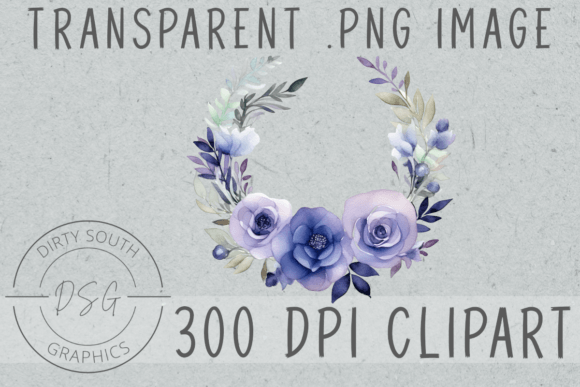
When evaluating a new graphic design asset for my shop, I always look beyond the initial aesthetic appeal and focus on commercial viability. The Purple Watercolor Floral Wreath immediately caught my attention during a recent sourcing session for an upcoming spring collection. My first impression was that this illustration strikes a difficult balance between whimsical and sophisticated. Unlike many floral assets that lean too heavily into cartoonish territory or overly dark moody aesthetics, this purple watercolor floral wreath possesses a soft, romantic elegance that feels premium yet accessible. For Etsy sellers and digital product creators, this specific mood is crucial because it targets a high-intent buyer demographic: brides, nursery decorators, and feminine brand owners who are actively searching for gentle, organic visuals.
From a business perspective, the color palette is the strongest selling point here. Purple is often underrepresented in generic floral bundles, which tend to saturate the market with pinks and greens. This gives the asset a unique positioning within creative marketplace search results. It feels handmade and artisanal rather than mass-produced, which increases perceived value for customers browsing through thousands of similar listings. As I prepared to integrate this into my workflow, I assessed its versatility across multiple revenue streams, ensuring it could justify its acquisition cost through diverse application.
Testing Commercial Viability Across Product Types
Before listing any digital download or physical product, I run a series of practical tests to see how the asset performs in real-world scenarios. With this purple watercolor floral wreath, I started by testing its adaptability for print-on-demand merchandise. The watercolor texture holds up beautifully on white ceramic mug designs and light-colored t-shirt graphics. However, when testing for sublimation design on tumblers, I had to ensure the resolution was sufficient to prevent pixelation when wrapped around a curved surface. The organic edges of the illustration allow for seamless blending into background colors, making it an excellent choice for tumbler wraps where hard vector lines can sometimes look out of place.
For my digital stationery line, I evaluated the wreath as a central element for invitation templates and greeting cards. Here, the negative space in the center of the wreath is just as important as the botanical elements themselves. A common failure point in floral illustrations is a cluttered center that makes adding text impossible. Fortunately, this asset provides ample breathing room for typography. I tested pairing it with various font styles: a delicate script font for wedding invitations, a bold serif for luxury branding, and a clean sans serif for modern baby shower announcements. In each case, the illustration supported the text hierarchy without competing for attention, confirming its utility for Canva template sellers who need flexible base layers.
Evaluating Technical Quality for Cricut and SVG Users
One of the most critical checks for any floral asset is its performance as an SVG design for cutting machines. While watercolor is inherently raster-based, many crafters expect hybrid functionality. When preparing this purple watercolor floral wreath for Cricut project use, I inspected the cut lines meticulously. Watercolor edges can be problematic for vinyl cutting if they are too faint or textured. I found that while the full-color PNG design is perfect for printable wall art and sticker design, the SVG version requires careful weeding considerations.
I recommend using this asset primarily for "print-then-cut" projects rather than single-layer vinyl cuts. The intricate details of the petals and leaves are best preserved through printing. If you intend to sell this as part of a design bundle for crafters, include a high-contrast black and white version specifically for those who want to cut stencils or iron-on transfers. Transparency is another technical checkpoint; I verified that the PNG transparency was clean, with no white halos or jagged artifacts against dark backgrounds. This level of quality control is what separates professional commercial design assets from amateur uploads and directly impacts customer reviews and repeat business.
Strategic Merchandising and Listing Presentation
An asset is only as valuable as its ability to drive clicks. I used the purple watercolor floral wreath to refresh my shop’s visual identity and listing thumbnails. In crowded search results, this illustration acts as a strong visual anchor. I created product mockup previews featuring the wreath on textured paper backgrounds and linen fabrics to emphasize its tactile quality. These lifestyle images significantly outperformed plain white-background previews in my A/B testing. For social media graphics and Pinterest pins promoting my shop, the wreath served as a consistent branding element that tied together disparate products like planner stickers, digital paper packs, and nursery prints.
Bundling strategy also plays a role in maximizing ROI. Rather than selling this solely as a standalone clipart file, I incorporated it into a larger seasonal collection. By combining the wreath with matching corner florals, dividers, and background textures, I increased the average order value. Customers perceive higher value in a cohesive design bundle than in individual pieces. Furthermore, using the wreath as a framing device in listing images helps guide the viewer’s eye toward the product features, improving visual storytelling and reducing bounce rates on my Etsy product pages.
Practical Seller Notes and Risk Mitigation
While the purple watercolor floral wreath is a versatile asset, there are specific contexts where it should be used with caution. Avoid placing this design on busy, multi-colored backgrounds where the subtle watercolor gradients might get lost. It works best against solid whites, creams, or very dark contrasting colors. Additionally, be mindful of scaling; stretching the illustration beyond 150% of its original size can reveal brush stroke artifacts that look unprofessional on large format prints like posters or packaging design. Always test print at actual size before finalizing a listing to ensure color accuracy, as screen purples often differ from CMYK output.
Licensing compliance is non-negotiable for small business branding and commercial sales. Before publishing any derivative work, I thoroughly reviewed the commercial license terms associated with this illustration. Ensure you understand whether the license allows for end-product sales, digital redistribution, or POD usage. Some licenses require attribution or prohibit using the asset as a standalone logo element. Clarifying these rights protects your shop from infringement claims and builds trust with savvy buyers who ask about licensing origins.
- File Organization: Clearly label folders for SVG, PNG, and JPG versions so customers can instantly find the format they need for their specific software.
- Color Profiles: Provide both RGB (for digital/Canva) and CMYK (for professional printing) versions if possible to reduce customer support queries regarding color shifts.
- Mockup Diversity: Show the wreath in at least three distinct contexts (e.g., a wedding invite, a t-shirt, and a wall print) to demonstrate broad commercial applicability.
- Keyword Strategy: Tag listings with specific long-tail terms like "purple botanical frame," "lavender wedding clipart," and "spring floral border" rather than just generic flower tags.
Ultimately, the purple watercolor floral wreath proves to be a robust addition to a digital seller's inventory when applied strategically. Its strength lies in its niche colorway and balanced composition, making it suitable for everything from elegant stationery to playful nursery decor. By rigorously testing technical specs, validating commercial applications, and presenting it through high-quality mockups, this illustration can serve as a cornerstone asset for a profitable creative business. Success in selling digital products isn't just about having pretty pictures; it is about understanding how those pictures solve problems for other creators and end consumers. This asset passes that test, provided the seller puts in the necessary groundwork to optimize it for the marketplace.