Mystical Mushroom Watercolor Clipart: Illustrations Review
First Impressions: Assessing the Whimsical Aesthetic for Client Work
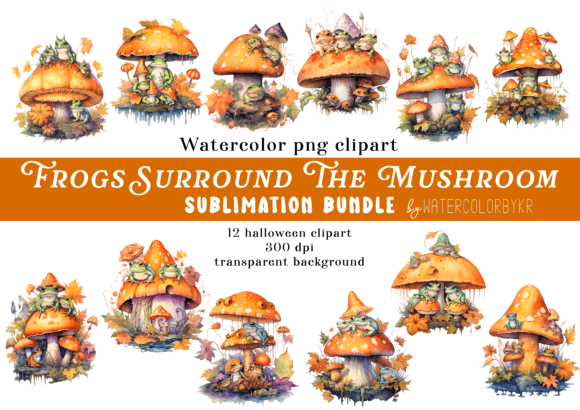
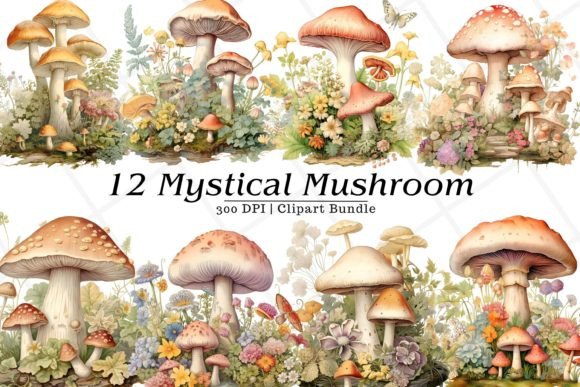
When evaluating a new graphic design asset for a professional portfolio, my first criterion is always versatility within a specific niche. Upon opening the Mystical Mushroom Watercolor Clipart collection, the immediate impression is one of organic softness and curated nostalgia. This is not merely a set of generic fungi; these illustrations carry a distinct ethereal quality that bridges the gap between botanical accuracy and fantasy art. For a designer tasked with building a visual identity for a handmade business or an apothecary-style brand, this asset immediately signals a mood of natural magic and artisanal care.
In a recent concept phase for a boutique skincare line focused on adaptogens and forest-foraged ingredients, I needed visuals that felt grounded yet elevated. The color palette in this digital product leans into muted earth tones, mossy greens, and subtle bioluminescent accents. This specific chromatic choice makes it highly effective for small business branding that wants to avoid the overly saturated, cartoonish look often associated with mushroom motifs. The brushwork retains visible texture, which adds a layer of tactile authenticity essential for establishing trust in commercial design projects where the "handmade" value proposition is paramount.
Application in Packaging and Brand Identity Systems
The true test of any clipart library is its performance in high-stakes environments like packaging design and brand identity. During the mockup phase for the skincare project, I utilized the larger mushroom compositions as hero graphics on amber glass bottle labels. The watercolor edges blended seamlessly into uncoated paper textures, creating a premium feel that vector art sometimes lacks. For logo design support, individual elements served as excellent secondary marks or iconography without competing with the primary wordmark.
However, designers must approach modern design integration strategically. These assets shine when given room to breathe. In editorial design layouts for a wellness blog, the clipart worked beautifully as margin accents or drop-cap backgrounds. Conversely, for marketing visuals intended for digital ads, I found that pairing these organic shapes with clean sans-serif typography created a necessary contrast. The juxtaposition of structured type and fluid illustration prevents the design from looking dated or too informal. For clients in the Etsy product space, this balance is critical for standing out in a crowded creative marketplace.
Digital Versatility: From Social Media Graphics to Web Design
Beyond print, the Mystical Mushroom Watercolor Clipart proves valuable for web design and social content creation. When designing Canva template packs for a holistic health coach, the transparent PNG files allowed for rapid layering over solid color blocks and lifestyle photography. The resolution holds up well on retina displays, ensuring that social media graphics remain crisp on Instagram and Pinterest. For content creators, these assets provide a cohesive visual thread across disparate posts, reinforcing brand recognition without repetitive fatigue.
For those managing print-on-demand stores, the collection offers substantial utility. I tested several elements for t-shirt design and tote bag applications. The watercolor style translates surprisingly well to direct-to-garment printing, provided the file preparation is correct. Unlike flat vectors, the gradient nature of the paint mimics fabric dye, resulting in a softer hand-feel on apparel. Similarly, for sticker design, the irregular organic edges eliminate the need for perfect die-cut lines, making them forgiving for both professional printing and home Cricut users.
Navigating Limitations: Hierarchy and Visual Clarity
No design bundle is without limitations, and professional judgment requires acknowledging where an asset fails. While Mystical Mushroom Watercolor Clipart excels in atmospheric roles, it struggles in high-density information environments. I would advise against using these detailed paintings in small-scale UI icons or dense data tables. The intricate brush details can become muddy at sizes below 1 inch, compromising visual hierarchy and readability.
Furthermore, caution is required when placing these assets on complex photographic backgrounds. Because watercolor relies on transparency and soft edges, busy photos can cause the illustration to disappear or create visual noise. In such cases, utilizing a solid shape behind the mushroom or increasing the negative space is mandatory. For minimalist corporate clients or tech-focused brands, this aesthetic may be too emotive. It is specifically tailored for industries valuing warmth, nature, and creativity. Always assess if the emotional tone aligns with the client’s strategic goals before committing to this style.
Technical Due Diligence for Commercial Use
Before integrating any design assets into a paid project, rigorous technical testing is non-negotiable. My workflow for reviewing this collection included several practical checks that every designer should perform:
- Contrast Testing: I placed the clipart on both pure white and deep charcoal backgrounds. While the colors pop on light surfaces, some lighter spore details vanished on dark modes. If your project involves dark mode web design or black packaging, verify visibility first.
- Typography Pairing: Test the asset against your chosen typeface. These mushrooms pair exceptionally well with textured serif fonts and delicate scripts but can clash with geometric grotesques unless balanced carefully.
- Print Verification: Never trust screen RGB values for physical products. I ran a test print on matte cardstock to ensure the sublimation design potential was viable and that colors didn't shift excessively during CMYK conversion.
- File Integrity: Inspect the PNG design transparency masks. Some watercolor scans retain gray halos that look messy when layered. Ensure the edges are cleanly extracted to maintain professionalism in product mockup presentations.
- Licensing Confirmation: Crucially, review the commercial license terms. Verify if the asset allows for end-product sales versus digital redistribution. For Cricut project sellers or POD vendors, understanding these restrictions protects your business from legal issues.
Final Verdict for Professional Creatives
Ultimately, Mystical Mushroom Watercolor Clipart represents a strong contender for designers serving the wellness, craft, and botanical sectors. Its strength lies in its ability to convey emotion and texture that sterile vector art cannot replicate. Whether you are developing a comprehensive brand identity, creating seasonal printable design products, or enhancing marketing visuals for a local apothecary, this collection provides a reliable foundation for whimsical yet professional aesthetics.
Success with this asset depends entirely on context. Treat it as a supporting actor that enhances the narrative rather than dominating the stage. By respecting its organic nature and adhering to technical best practices, you can elevate client projects from standard commercial work to memorable visual experiences. For the right brief, this is more than just clipart; it is a shortcut to achieving a sophisticated, hand-painted look that resonates deeply with modern consumers seeking authenticity.