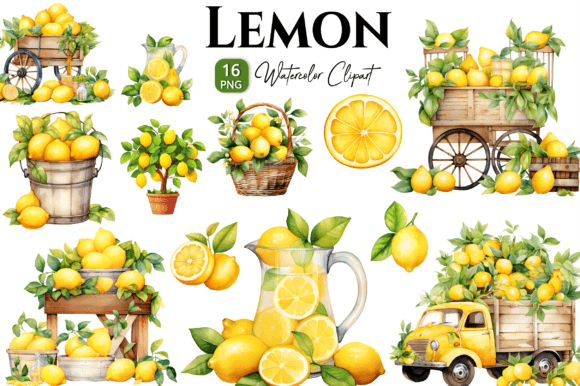
Lemon Watercolor Clipart Bundle: Illustrations for Branding
When evaluating a new graphic design asset for a client project, my primary concern is always versatility and technical integrity. Recently, while developing a comprehensive brand identity and packaging suite for an artisanal skincare line focused on organic citrus ingredients, I tested the Lemon Watercolor Clipart Bundle. The initial impression was promising; these illustrations possess a genuine hand-painted quality that avoids the sterile, over-processed look common in many digital stock libraries. The color saturation strikes a difficult balance—vibrant enough to catch the eye on a crowded shelf or social media feed, yet soft enough to maintain the organic, approachable aesthetic required for a handmade business. For designers working in the creative marketplace, finding assets that feel authentic rather than manufactured is crucial for establishing visual trust with an audience.
Elevating Packaging Design and Product Labels
In the context of the skincare project, this design bundle proved exceptionally valuable for packaging design and product labels. Watercolor textures naturally suggest freshness and natural origins, making them ideal for beauty and wellness brands. I utilized individual lemon slices and leaf clusters as secondary graphical elements on bottle labels. Because the edges of the clipart are soft and textured, they integrated seamlessly into the label layout without creating harsh visual boundaries. This is where high-quality PNG design files shine; the transparency allows the illustration to sit atop colored backgrounds or textured paper stocks without awkward white boxes disrupting the composition. For small business branding, this level of polish can differentiate a product from competitors using generic vector art. However, when applying these assets to curved surfaces like bottles or jars, it is vital to preview the artwork on a realistic product mockup to ensure the scale feels appropriate and the details remain legible against the container’s curvature.
Social Media Graphics and Digital Marketing Visuals
Beyond physical products, modern design requires assets that perform across digital platforms. I incorporated elements from the Lemon Watercolor Clipart Bundle into Instagram posts and Pinterest pins for the client’s launch campaign. In social media graphics, these illustrations serve as excellent framing devices or corner accents that guide the viewer's eye toward the central message or call-to-action. Unlike rigid geometric shapes, the organic flow of watercolor adds movement and emotional appeal to static images. For content creators and marketers using Canva templates, this clipart offers a quick way to elevate standard layouts. The key here is restraint; because watercolor is inherently detailed, it pairs best with clean sans serif fonts or elegant serifs for body copy. Overcrowding a digital ad with too many illustrative elements can compromise readability and visual hierarchy, so I recommend using these lemons as supportive accents rather than dominant focal points unless the specific goal is a pattern-based background.
Considerations for Print-on-Demand and Sublimation Design
For sellers on Etsy or those managing print-on-demand merchandise, technical specifications are non-negotiable. I reviewed this bundle specifically for potential t-shirt design and tote bag applications. The resolution appears sufficient for most commercial printing needs, but designers must always verify DPI before committing to large-format prints. As a sublimation design resource, the color profile is vibrant, though one should account for the fact that sublimation often prints slightly darker or more saturated than screen displays. These illustrations would work beautifully for summer-themed apparel or kitchen textiles. However, for Cricut projects involving vinyl cutting, users should exercise caution. Watercolor is a raster style defined by gradients and soft edges, which does not translate well to cut lines. While this is primarily a PNG design asset suited for printing, those seeking SVG design files for cutting machines will need to use trace functions or purchase separate vector versions. Understanding this distinction prevents frustration when attempting to adapt painterly clipart for mechanical crafting processes.
Where to Exercise Caution in Professional Layouts
While the Lemon Watercolor Clipart Bundle is versatile, it is not universally applicable. During my review, I noted specific scenarios where this asset requires careful handling. In minimalist branding or corporate editorial design, the whimsical nature of hand-painted fruit can sometimes clash with strict grid systems or serious typographic hierarchies. If the client’s brand voice is clinical, tech-forward, or ultra-luxury, these illustrations might undermine the desired perception of precision. Additionally, at very small sizes—such as favicon icons or tiny footer details—the intricate brushwork can muddy, losing definition and appearing as indistinct blobs. Always test the asset at its smallest intended size. Furthermore, contrast is critical; yellow watercolor on white or light cream backgrounds often fails accessibility standards for text readability. If placing text over these illustrations, ensure there is sufficient overlay or shadow treatment to maintain legibility. Professionalism in creative design means knowing when an asset enhances the communication and when it merely decorates at the expense of function.
Technical Due Diligence and Licensing Verification
Before integrating any digital product into a paid client deliverable, a professional designer must conduct thorough due diligence. My first step was inspecting the file integrity: checking that PNG transparency is truly clean without stray pixels or jagged halos, which can ruin a polished final output. I also tested the artwork in black and white to assess value structure; if the illustration relies solely on color for definition, it may fail in monochrome applications like embossing or single-color newspaper ads. Equally important is verifying the commercial license. Terms vary significantly across platforms; some allow unlimited end-products for sale, while others cap units or prohibit use in digital templates intended for resale. For anyone building a business around these assets, reading the fine print is as important as the creative execution. Confirming these rights protects both the designer and the client from future legal complications.
Typography Pairings and Visual Harmony
The success of the Lemon Watercolor Clipart Bundle ultimately depends on how it interacts with typography. In my testing, I found that it pairs most harmoniously with handwritten scripts for accent headers and sturdy serifs for body text. The organic imperfection of the brushstrokes complements the human touch of script lettering, reinforcing the artisanal narrative. Conversely, pairing it with overly geometric or industrial typefaces created a visual dissonance that felt unresolved. For web design and blog visuals, consider using the lemons as bullet points or dividers to break up dense text, adding rhythm to the reading experience. This application transforms functional UI elements into brand-building opportunities. Whether you are designing stickers, invitations, or website heroes, remember that the clipart should support the content, not compete with it. By treating these illustrations as integral components of a larger system rather than isolated decorations, designers can create cohesive, emotionally resonant work that serves real business objectives effectively.