Flowers in Jar Illustrations: Watercolor PNG Review
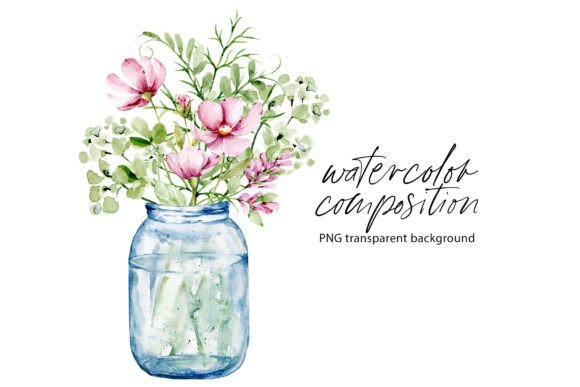
As a digital publisher and blog designer, I evaluate every graphic design asset through the lens of conversion, readability, and brand consistency. When I first opened the Flowers in Jar, Watercolor Clipart, PNG file, my immediate assessment focused on its editorial versatility. This is not merely a decorative element; it is a functional visual tool that establishes a soft, organic, and trustworthy mood. In the current landscape of content marketing, where readers are increasingly skeptical of overly polished or AI-generated imagery, authentic watercolor illustrations signal human craftsmanship and care. The aesthetic leans heavily into lifestyle, wellness, gardening, and creative education niches, offering a feminine yet professional tone that avoids feeling juvenile. For publishers managing sites in these verticals, this asset bridges the gap between artistic expression and commercial utility.
Establishing Editorial Tone and Reader Trust
The primary value of this graphic design asset lies in its ability to soften the user experience without sacrificing authority. In web design, we often struggle to balance professionalism with approachability. The Flowers in Jar, Watercolor Clipart, PNG achieves this by introducing texture and imperfection that flat vector art cannot replicate. When used as a website header or an introductory blog graphic, it immediately lowers the reader's cognitive load, suggesting that the content within is curated, thoughtful, and safe. This is particularly effective for affiliate marketing sites in the home decor or self-care spaces, where trust is the currency of conversion. The illustration acts as a visual handshake, reassuring the visitor that the site is maintained by real people who appreciate beauty and detail. However, publishers must recognize that this specific mood is niche-dependent; it supports storytelling and personal branding but may clash with high-tech, financial, or corporate legal content.
Strategic Placement Across Publishing Workflows
In my daily publishing workflow, I utilize assets like this across multiple touchpoints to maintain a cohesive brand identity. The transparency of the PNG format makes the Flowers in Jar, Watercolor Clipart, PNG exceptionally useful for layered compositions. Here is how I recommend deploying this asset for maximum impact:
- Pinterest Pin Creation: Watercolor elements perform notoriously well on Pinterest. Use this clipart as a corner accent or central focal point on pins to increase save rates and click-through potential.
- Lead Magnet Covers: When designing a digital guide or checklist, place the jar illustration centrally on a solid pastel background to create an instant, professional-looking cover that increases perceived value.
- Newsletter Headers: Email clients can be restrictive. This lightweight PNG serves as an excellent banner element that loads quickly while adding seasonal relevance to your email marketing campaigns.
- Printable Design: For creators selling digital downloads, this asset adds significant value to worksheets, planners, and journal pages, transforming blank documents into desirable products.
- Category Thumbnails: Use the illustration as a consistent visual marker for specific blog categories, helping users navigate your site through visual cues rather than text alone.
Enhancing Visual Hierarchy and Click-Through Rates
A common mistake in blog graphics is treating illustrations as mere filler. Effective editorial design requires every element to serve a purpose. The Flowers in Jar, Watercolor Clipart, PNG should be used to direct the eye and establish visual hierarchy. When placed beside a headline, the organic shape of the flowers creates a natural frame that guides the reader’s gaze toward the text. This is crucial for featured images where text overlay is necessary. Unlike rigid geometric shapes, the flowing lines of watercolor allow for better text integration, ensuring headlines remain legible against complex backgrounds. Furthermore, in social media graphics, unique hand-painted elements stand out in feeds saturated with stock photography. By using this distinctive illustration style consistently, you build a recognizable visual signature that stops the scroll and reinforces small business branding efforts over time.
Optimizing for Digital Products and Commercial Use
For entrepreneurs creating paid content, the commercial license associated with this asset is just as important as its pixels. Before incorporating Flowers in Jar, Watercolor Clipart, PNG into a Canva template, eBook, or course material, verify the licensing terms specifically regarding digital products versus physical goods. From a production standpoint, this asset is ideal for bundling. It pairs seamlessly with other botanical illustrations to create comprehensive design kits for sale on creative marketplace platforms. When used in affiliate marketing content, such as "Best Vases for Spring" posts, the illustration provides a non-commercial visual anchor that balances out product photos, making the article feel more like genuine advice and less like a sales pitch. This subtle psychological cue can improve dwell time and reduce bounce rates on monetized pages.
Critical Publisher Notes: Testing and Technical Performance
While the aesthetic appeal is evident, practical application requires rigorous testing. As part of my review process, I always validate design assets against real-world constraints. Here are the essential checks I performed with this watercolor clipart that you should replicate:
- Mobile Responsiveness: Test the asset as a thumbnail on mobile devices. Intricate watercolor details can sometimes turn into muddy blobs at small sizes. Ensure the silhouette remains distinct at 150px width.
- Contrast Verification: Place the PNG over various background colors. Light watercolors can disappear on white backgrounds. You may need to add a subtle drop shadow or use a darker backdrop to maintain visibility.
- Typography Pairing: Test the illustration against serif, sans-serif, script, and display fonts. Watercolor generally pairs best with elegant serifs or clean sans-serifs; avoid overly distressed fonts that compete with the brush texture.
- File Size Optimization: High-resolution PNGs can slow down page load speeds. Always compress the image using tools like TinyPNG before uploading to your CMS to preserve web performance scores.
- Black and White Conversion: Check how the asset looks in grayscale. If you plan to use it in print materials or minimalist layouts, ensure the tonal values hold up without color reliance.
Navigating Limitations and Contextual Fit
No single asset works everywhere. While Flowers in Jar, Watercolor Clipart, PNG is a powerhouse for lifestyle and creative niches, it requires careful handling in other contexts. Avoid using this style in text-heavy technical tutorials where precision diagrams are expected, as the decorative nature may distract from instructional clarity. Similarly, be cautious when using it in serious professional niches like law or medicine, where the whimsical nature of watercolor might inadvertently undermine the gravity of the subject matter. Additionally, busy layouts can overwhelm the delicate details of this illustration; it needs negative space to breathe. Finally, always consider accessibility. Because this is a decorative image, ensure it has appropriate alt text or is marked as decorative in your HTML so screen reader users are not confused by irrelevant visual descriptions. By respecting these boundaries, you ensure the asset enhances rather than detracts from your content strategy.
Ultimately, the Flowers in Jar, Watercolor Clipart, PNG represents a high-value addition to the modern publisher’s toolkit. It offers a blend of artistic warmth and digital functionality that supports everything from SEO-friendly blog posts to premium digital products. When applied with intention and tested for technical performance, it elevates the overall quality of your digital presence, fostering deeper connections with your audience through the universal language of beautiful, intentional design.